We are composed of about twenty permanent and non-permanent staff. Our expertise is based on the constant development of innovative instrumentation and data analysis tools, and on the establishment or use of new theories and simulation tools. Our fields of application cover a variety of domains in materials science, nanooptics and biophysics, ranging from plasmonics to correlated oxides, through 2D materials physics, metallurgy or biomineralization.
Research highlights
-
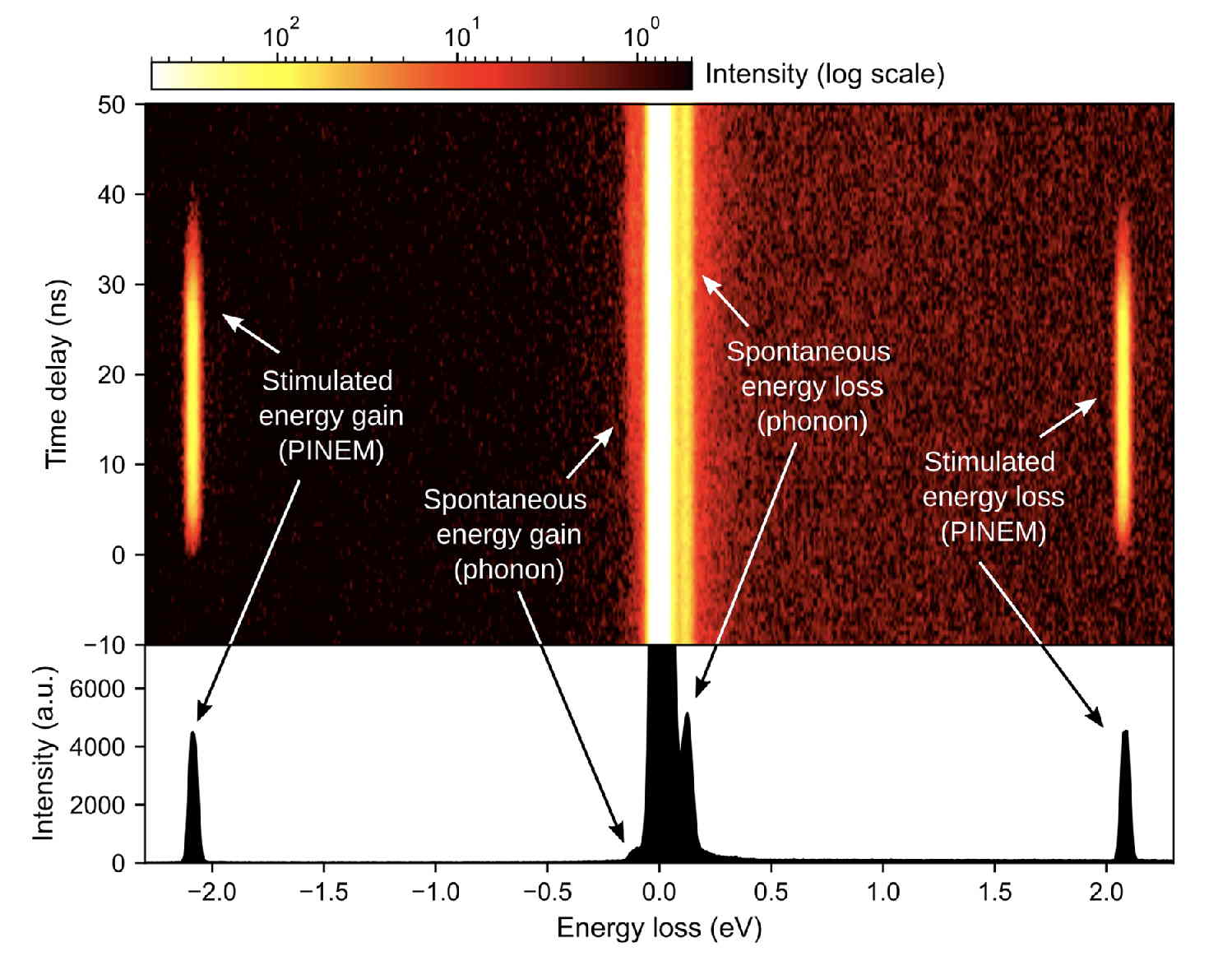
Cathodoluminescence, light injection and EELS in STEM: from comparative to coincidence experiments
Electron spectroscopy implemented in electron microscopes provides high spatial resolution, down to the atomic scale, of the chemical, electronic, vibrational and optical properties of materials. In this review, we will describe how temporal coincidence experiments in the nanosecond to femtosecond range between different electron spectroscopies involving photons, inelastic electrons and secondary electrons can provide information…
-
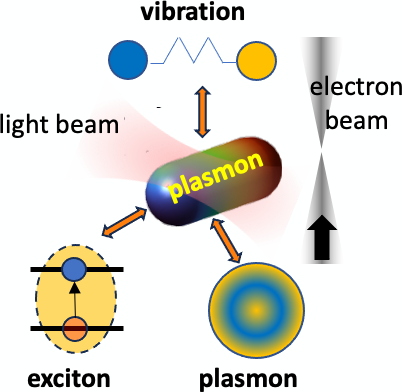
Strong and Weak Coupling Nanophysics with Free Electron Beams
We have recently wrote a short review in Advanced Optical Materials, which just got published open acces. This short review paper focuses on the study of the coupling between optical excitations at the nanometer scale, made possible by recent advances in electron spectroscopies. In particular, plasmon–plasmon, plasmon–exciton, and plasmon–phonon couplings are reviewed.It is worth mentioning…
-

Roadmap for with 2D Materials
Triggered by advances in atomic-layer exfoliation and growth techniques, along with the identification of a wide range of extraordinary physical properties in self-standing films consisting of one or a few atomic layers, two-dimensional (2D) materials such as graphene, transition metal dichalcogenides (TMDs), and other van der Waals (vdW) crystals now constitute a broad research field…
-
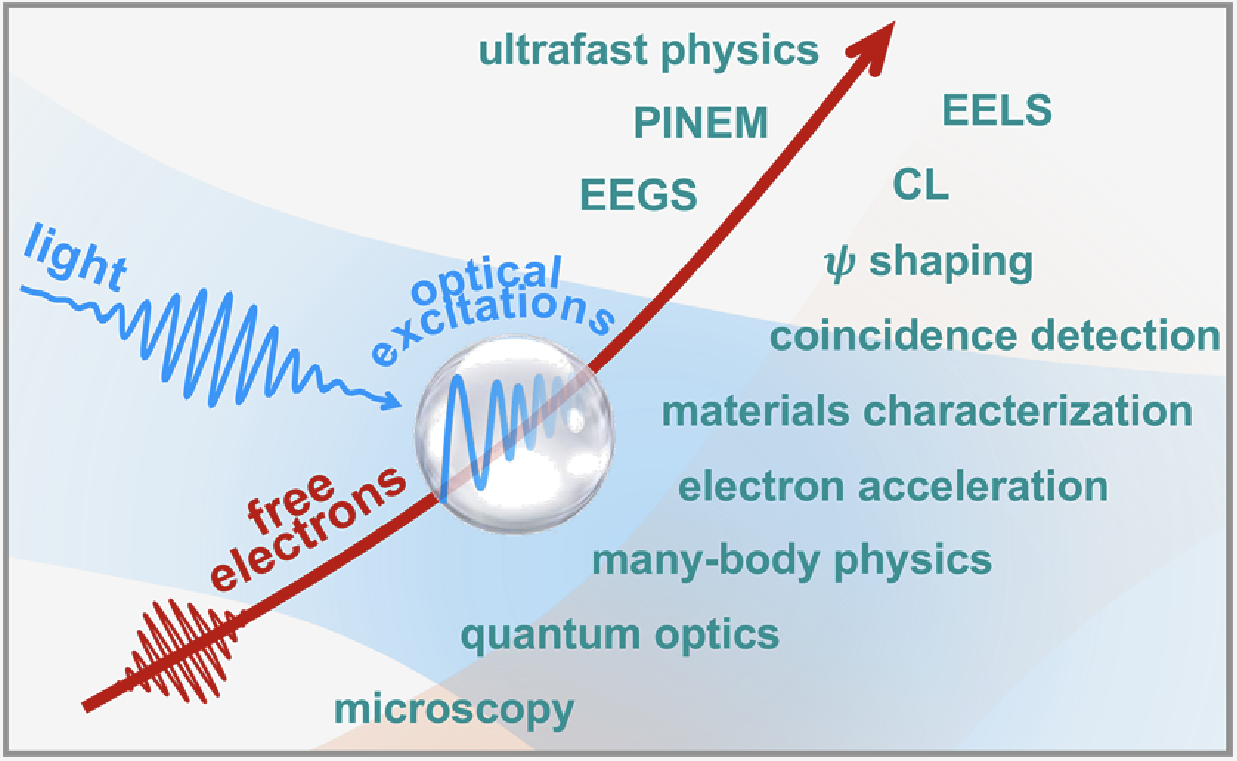
Roadmap for Quantum Nanophotonics with Free Electrons
We have been part of a large effort of the community led by Pr Javier Garcia de Abajo to write a roadmap for quantum nanophotonics with free electrons. Check it out! It is open access.
-
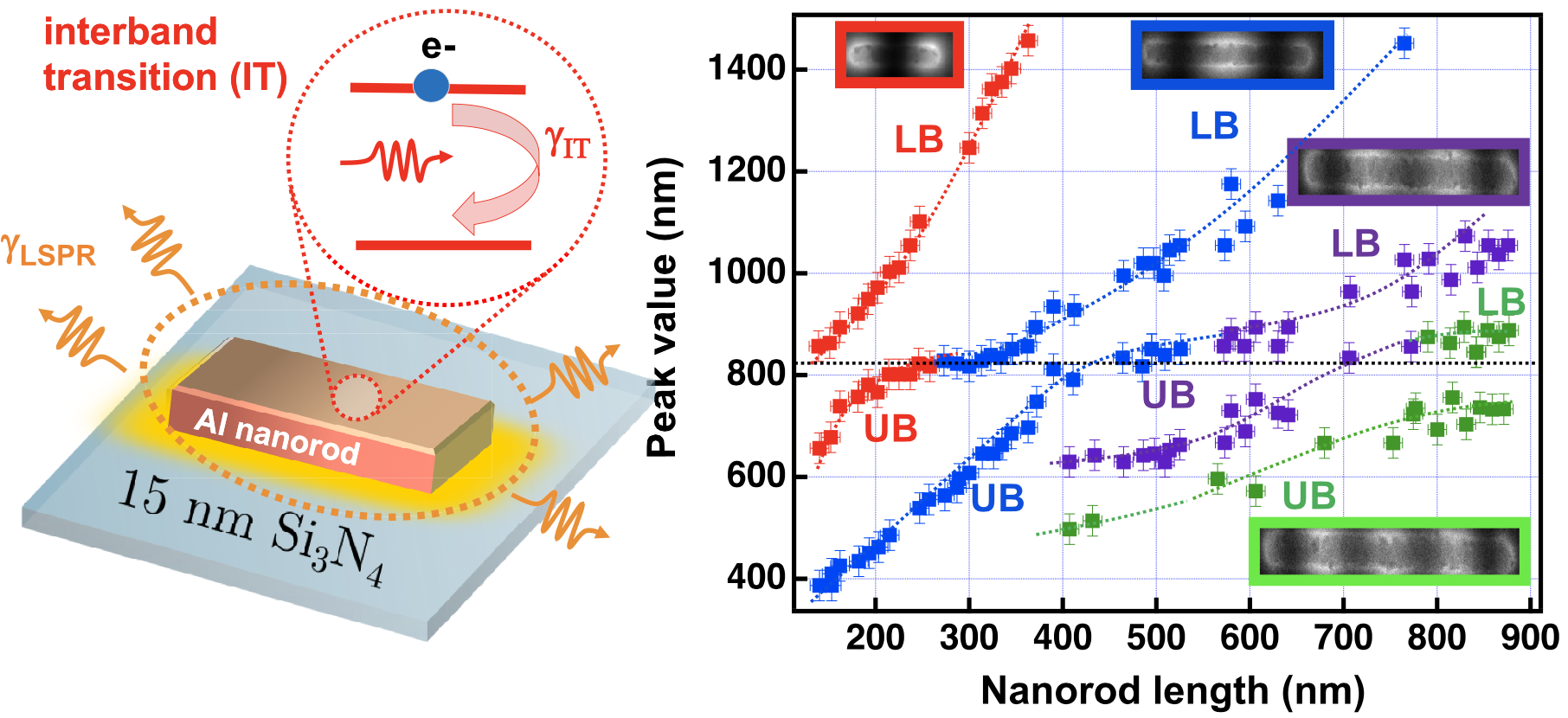
Plasmon-Interband Hybridization and Anomalous Production of Hot Electrons in Aluminum Nanoantennas
Strong coupling typically occurs between two separate objects or between an object and its environment (such as an atom and a cavity). However, it can also occur between two different excitations within the same object, a situation that has been much less studied. In this study, we observe strong coupling between localized surface plasmon resonances…
-
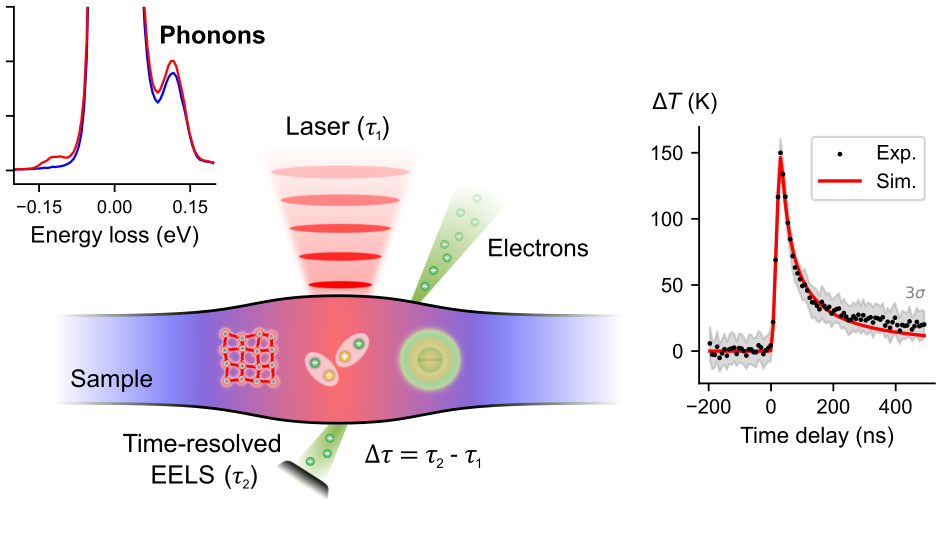
Nanosecond Nanothermometry in an Electron Microscope
Thermal transport in nanostructures plays a critical role in modern technologies. As devices shrink, techniques that can measure thermal properties at nanometer and nanosecond scales are increasingly needed to capture transient, out-of-equilibrium phenomena. We present a novel pump–probe photon–electron method within a scanning transmission electron microscope (STEM) to map temperature dynamics with unprecedented spatial and…
-
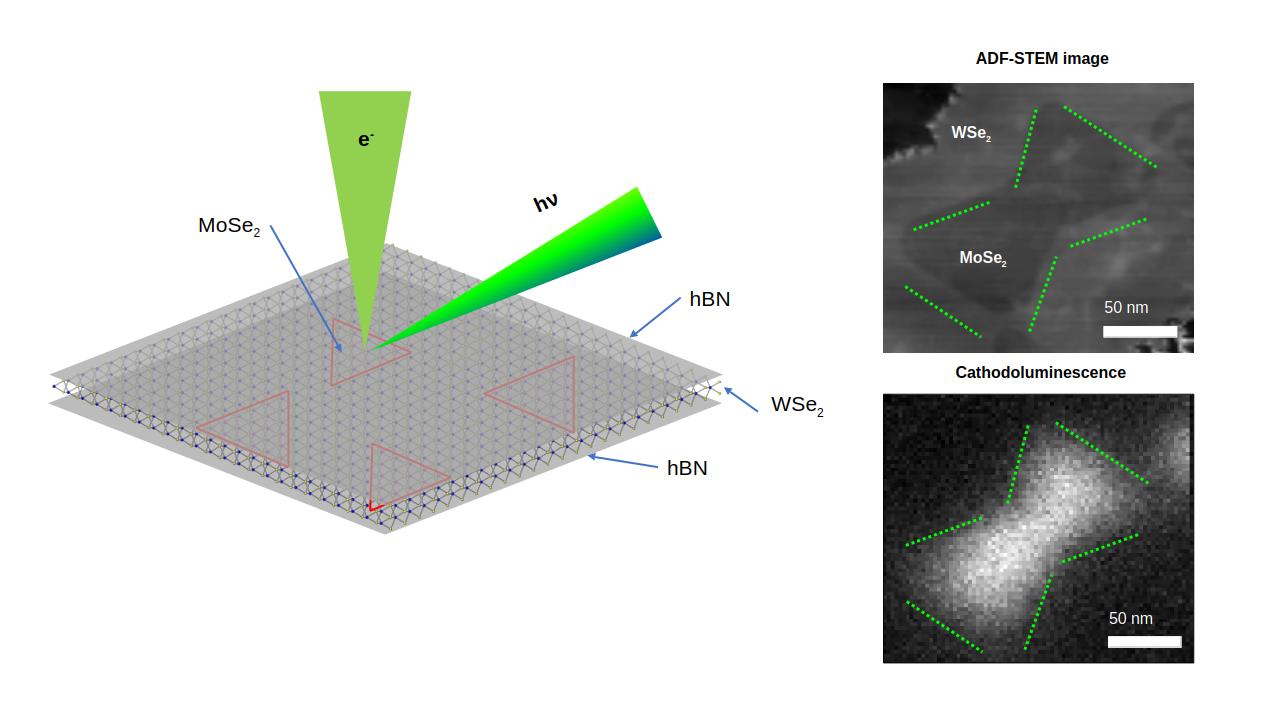
Quantum Confined Luminescence in Two Dimensions
2D materials, ANR, cathodoluminescence, Chromatem, EELS, nano-optics, van der Waals heterostructuresThe field of nanophotonics has witnessed a surge of interest in localized light emitters, driven by their potential to revolutionize optoelectronic devices. These emitters, including nanoparticles, nanowires, and quantum wells, confine electrons, holes or excitons to nanoscale dimensions, leading to unique emission characteristics and potential applications in quantum technologies. This study explores a new type…
-
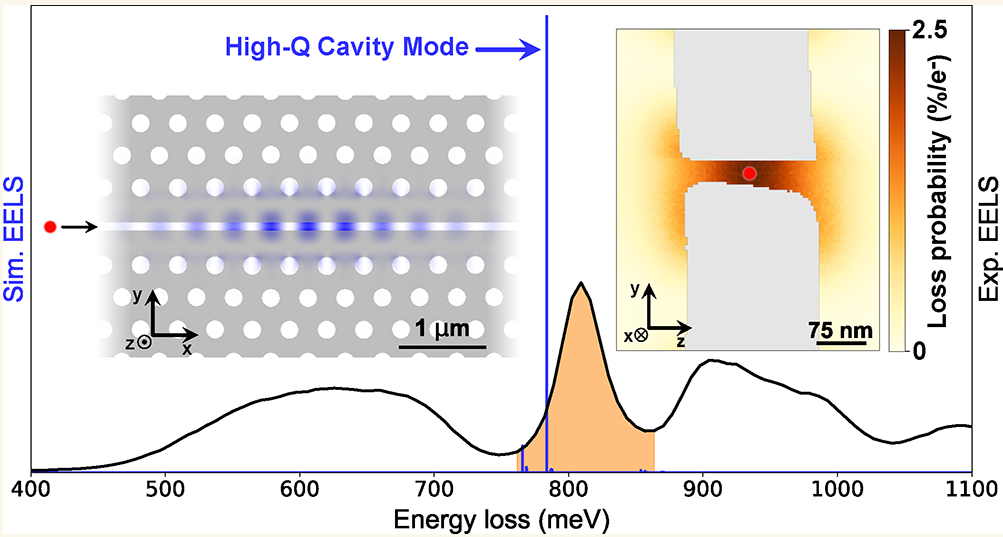
High-Efficiency Coupling of Free Electrons to Sub-wavelength cube Modal Volume, High‐Q Photonic Cavities
We report on the design, realization, and experimental investigation by spatially resolved monochro- mated electron energy loss spectroscopy (EELS) of high- quality-factor cavities with modal volumes smaller than λ3, with λ being the free-space wavelength of light. The cavities are based on a slot defect in a 2D photonic crystal slab made up of silicon.…
-
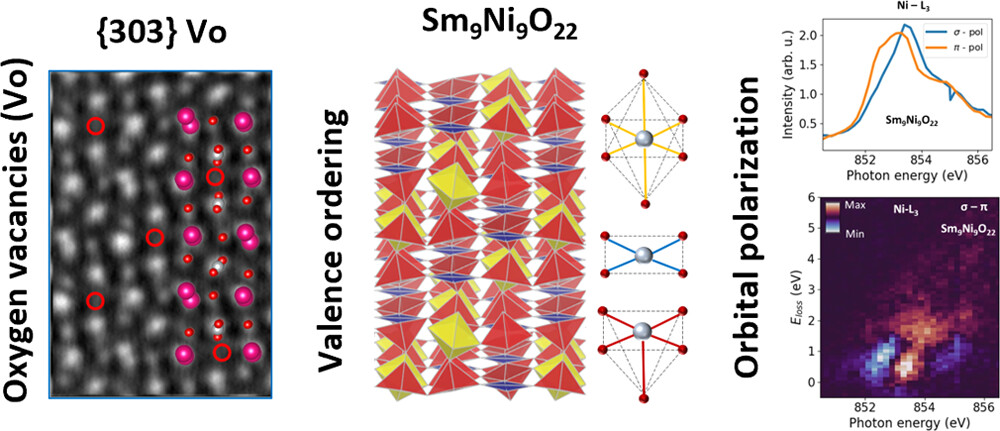
Valence-Ordered Thin-Film Nickelate with Tri-component Nickel Coordination Prepared by Topochemical Reduction
In a groundbreaking study, researchers have synthesized Sm9Ni9O22 using the metal-hydride-based “topochemical reduction” process. This compound exhibits ordered nickel valences associated with tri-component coordination configurations, resulting in a unique crystal structure revealed through advanced microscopy techniques. Through 4D-STEM, X-ray spectroscopy and theoretical calculations, the coexistence of square planar, pyramidal, and octahedral nickel sites with mono-,…
-
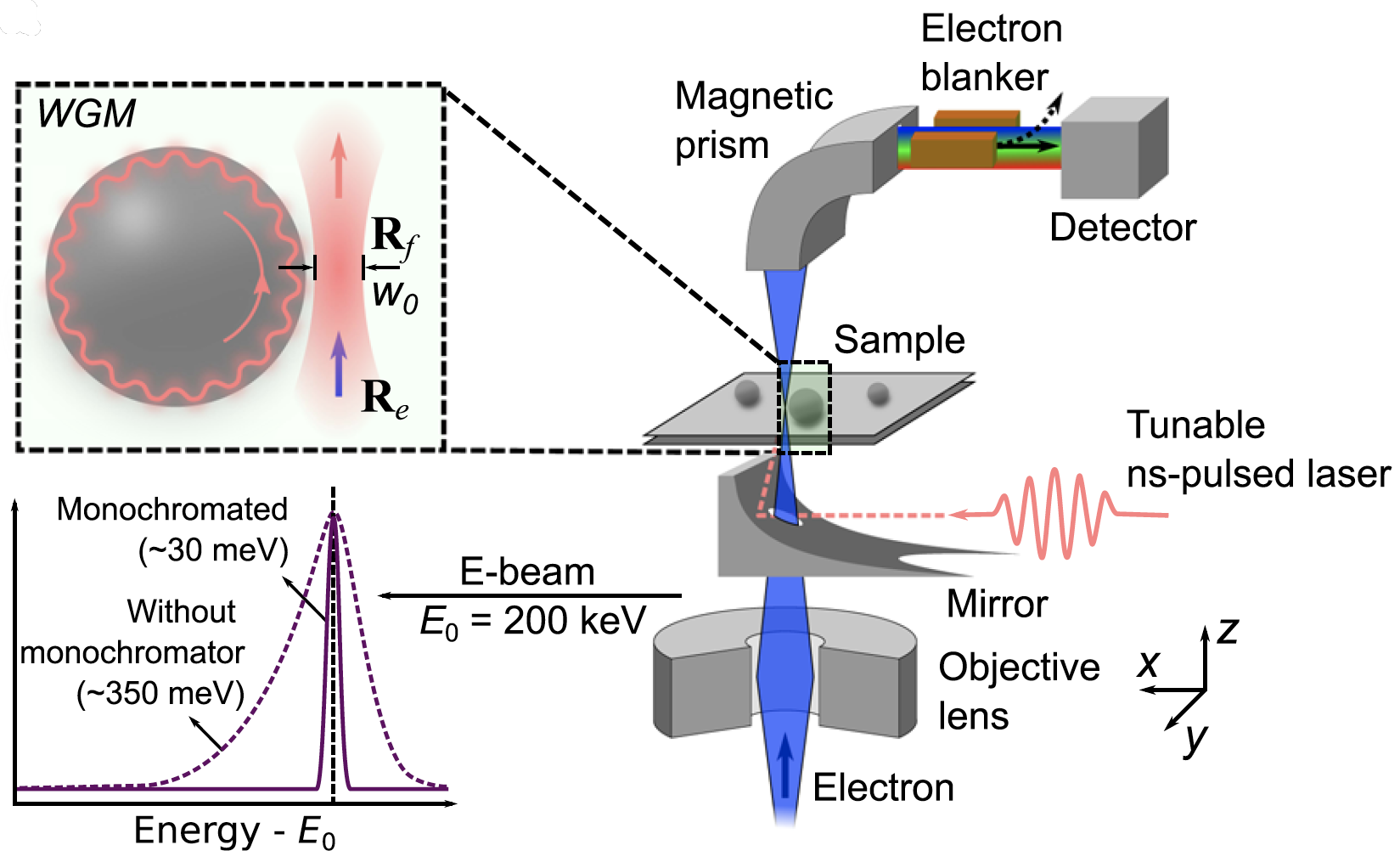
μeV electron spectromicroscopy using free-space light
The synergy between free electrons and light has recently been leveraged to reach an impressive degree of simultaneous spatial and spectral resolution, enabling applications in microscopy and quantum optics. However, the required combination of electron optics and light injection into the spectrally narrow modes of arbitrary specimens remains a challenge. In our recently published paper…
-
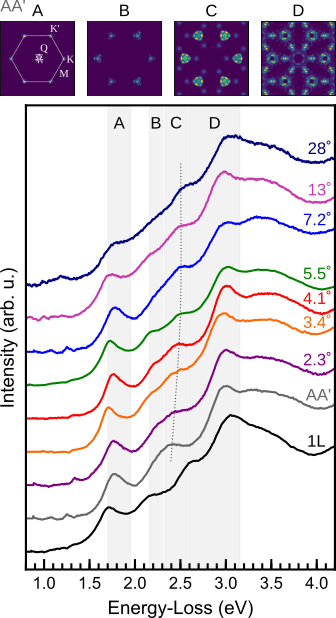
Excitonic absorption signatures of twisted bilayer WSe2 by electron energy-loss spectroscopy
Moiré twist angle underpins the interlayer interaction of excitons in twisted van der Waals hetero- and homostructures. The influence of twist angle on the excitonic absorption of twisted bilayer tungsten diselenide (WSe2) has been investigated using electron energy-loss spectroscopy. Atomic-resolution imaging by scanning transmission electron microscopy was used to determine key structural parameters, including the…
-
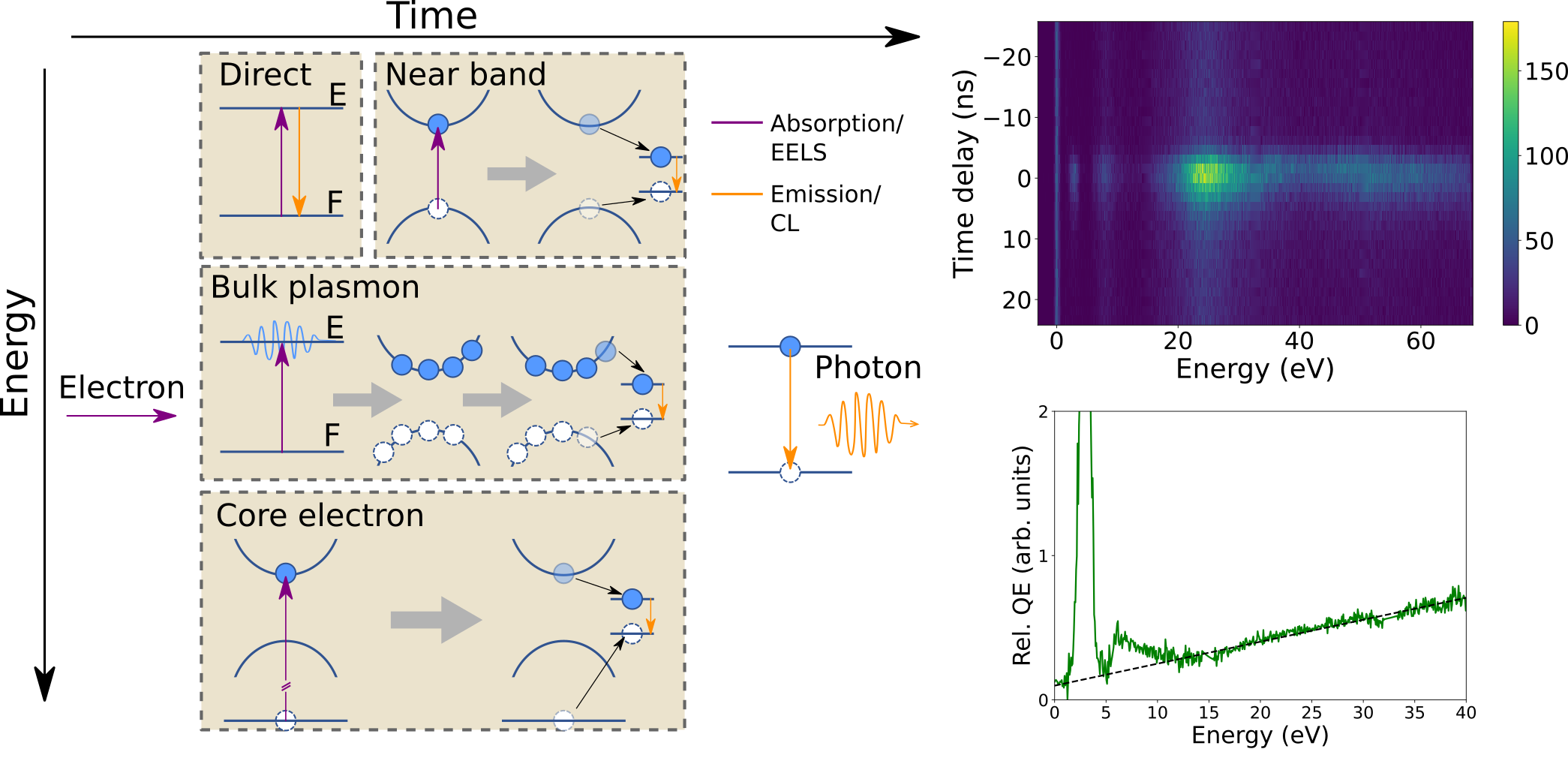
Cathodoluminescence excitation spectroscopy: Nanoscale imaging of excitation pathways
Following optical excitations’ life span from creation to decay into photons is crucial in understanding materials photophysics. Macroscopically, this is studied using optical techniques, such as photoluminescence excitation spectroscopy. However, excitation and emission pathways can vary at nanometer scales, preventing direct access, as no characterization technique has the relevant spatial, spectral, and time resolution. Here,…
-
Substrate influence on transition metal dichalcogenide monolayer exciton absorption linewidth broadening
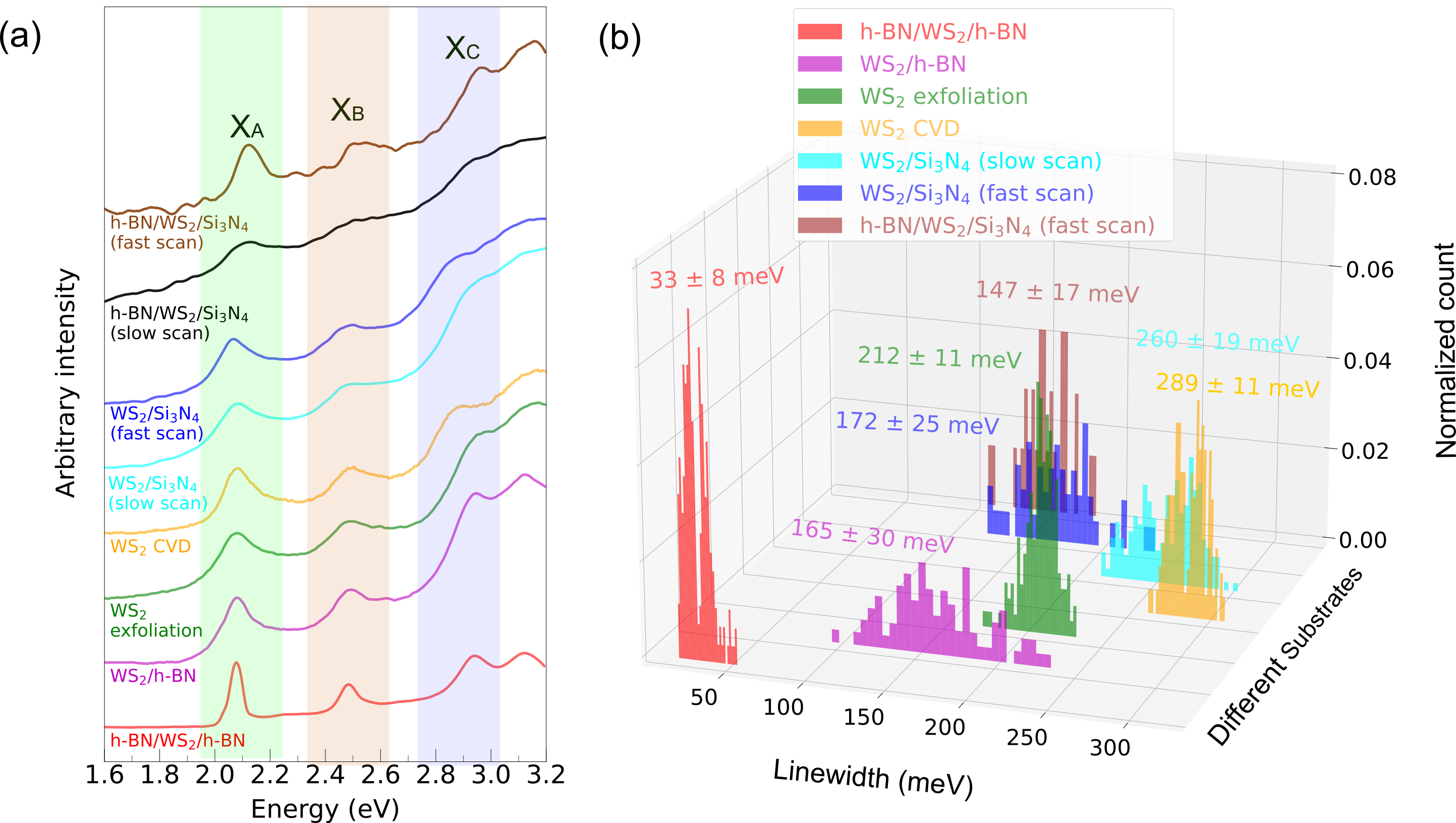
The excitonic states of transition metal dichalcogenide (TMD) monolayers are heavily influenced by their external dielectric environment and depend on the substrate used. In this work, various wide band gap dielectric materials, namely hexagonal boron nitride (h−BN) and amorphous silicon nitride (Si3N4), under different configurations as support or encapsulation material for WS2 monolayers, are investigated…
-
The abalone reveals its secrets about the origin of its shell
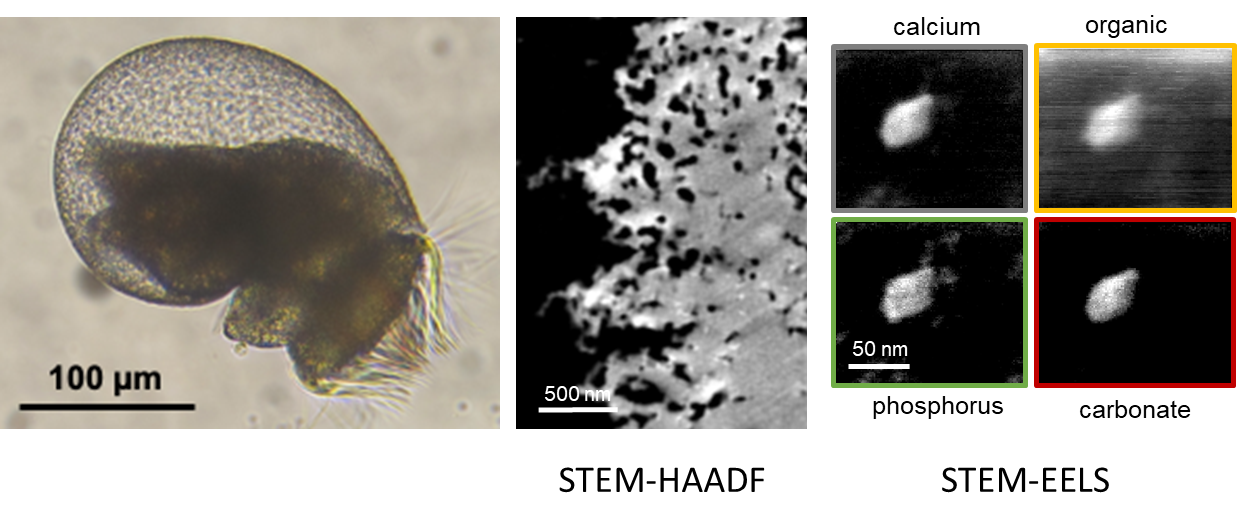
Many multicellular animals secrete a mineralized skeleton, a composite material in which the mineral phase, carbonated, phosphated or siliceous, is predominant. It is generally accepted that carbonates, which are abundant in protostomian invertebrates (shell of mollusks, shell of crustaceans) are rather associated with chitin, a saccharide polymer, while phosphates, which are mainly present in vertebrates,…
-
Liquid-phase sintering of lead halide perovskites and metal-organic framework glasses
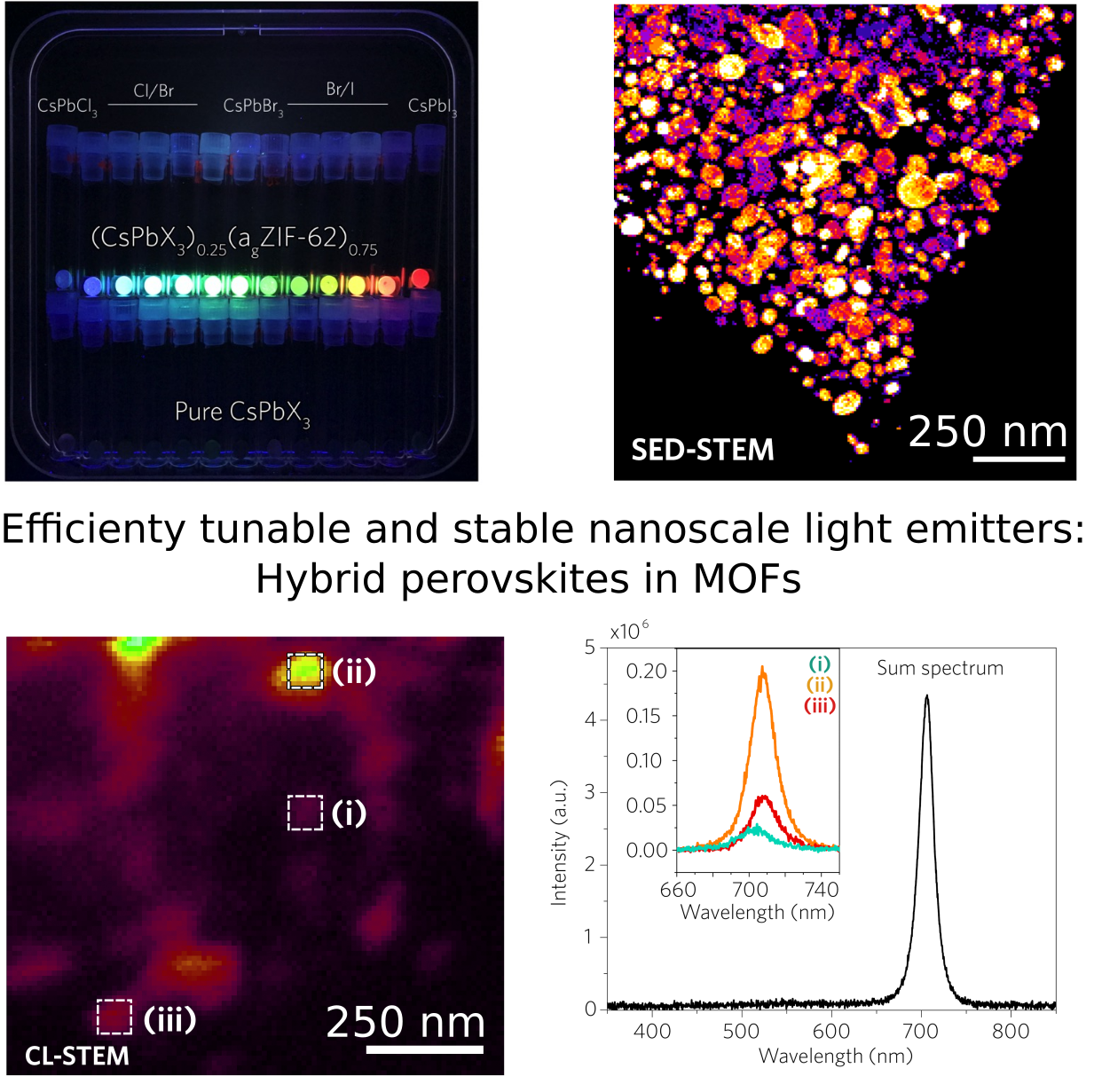
Lead halide perovskite (LHP) semiconductors show exceptional optoelectronic properties. Barriers for their applications, however, lie in their polymorphism, instability to polar solvents, phase segregation, and susceptibility to the leaching of lead ions. We report a family of scalable composites fabricated through liquid-phase sintering of LHPs and metal-organic framework glasses. The glass acts as a matrix…
-
Nanoscale Modification of WS2 Trion Emission by Its Local Electromagnetic Environment
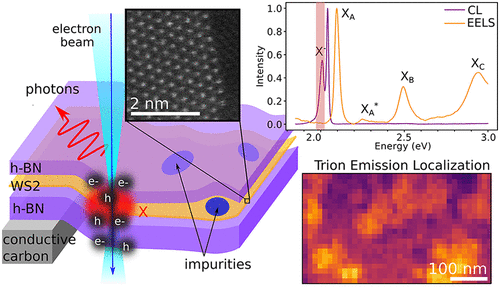
Structural, electronic, and chemical nanoscale modifications of transition metal dichalcogenide monolayers alter their optical properties. A key missing element for complete control is a direct spatial correlation of optical response to nanoscale modifications due to the large gap in spatial resolution between optical spectroscopy and nanometer-resolved techniques. Here, we bridge this gap by obtaining nanometer-resolved…
-
Unveiling the Coupling of Single Metallic Nanoparticles to Whispering-Gallery Microcavities
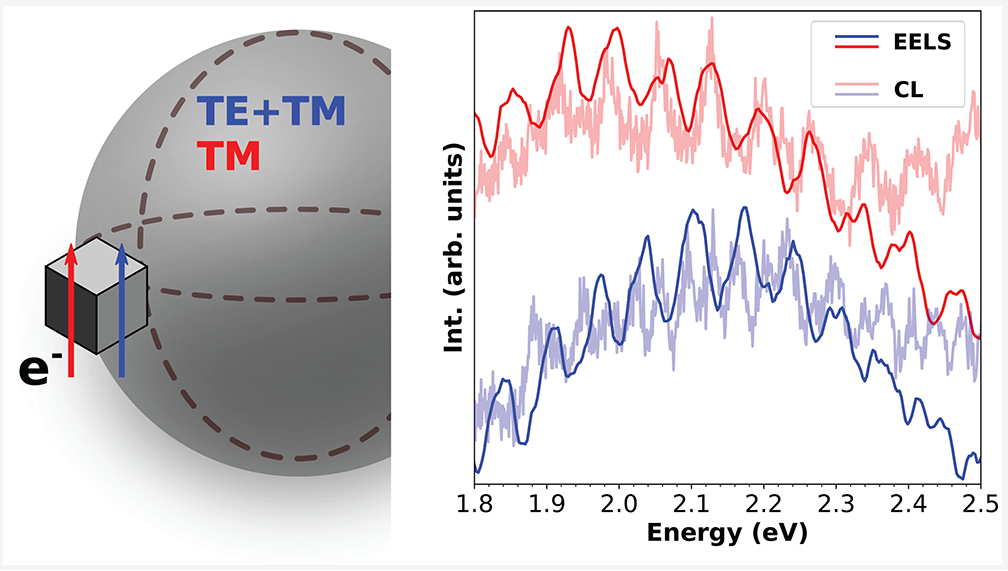
Whispering-gallery mode resonators host multiple trapped narrow-band circulating optical resonances that find applications in quantum electrodynamics, optomechanics, and sensing. However, the spherical symmetry and low field leakage of dielectric microspheres make it difficult to probe their high-quality optical modes using far-field radiation. Even so, local field enhancement from metallic nanoparticles (MNPs) coupled to the resonators…
-
Optical polarization analogue in free electron beams
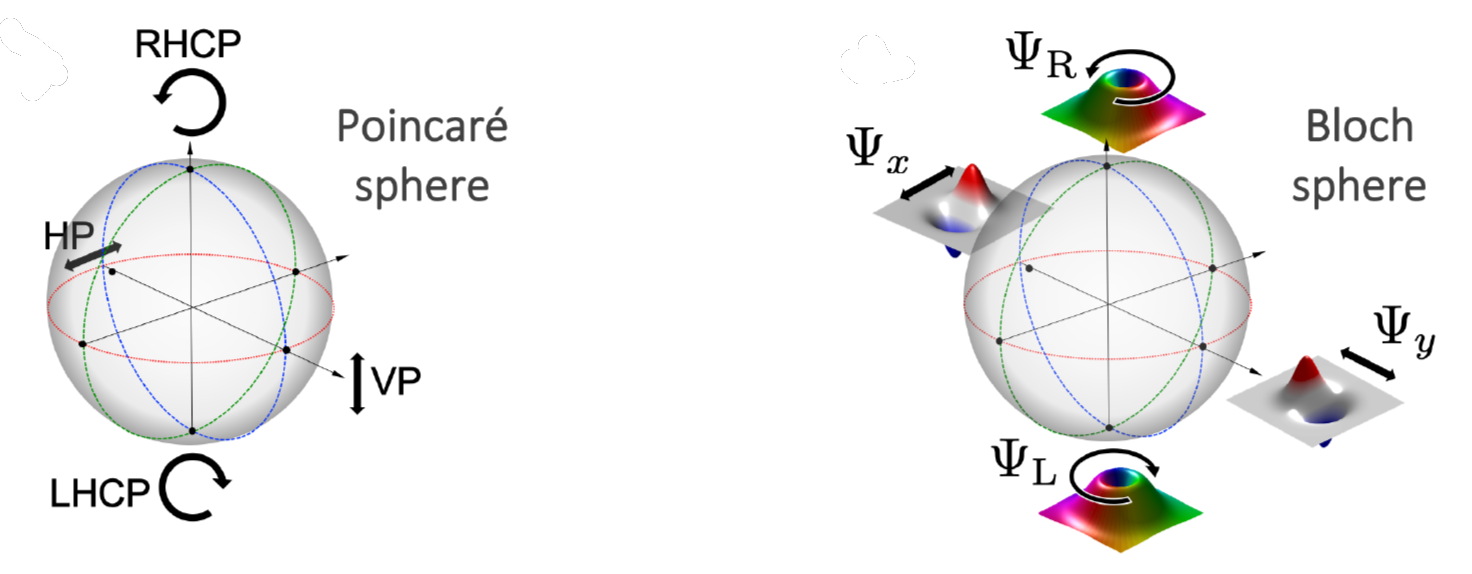
Spectromicroscopy techniques with fast electrons can quantitatively measure the optical response of excitations with unrivalled spatial resolution. However, owing to their inherently scalar nature, electron waves cannot access the polarization-related quantities. Despite promising attempts based on the conversion of concepts originating from singular optics (such as vortex beams), the definition of an optical polarization analogue…
-
Three-dimensional vectorial imaging of surface phonon polaritons
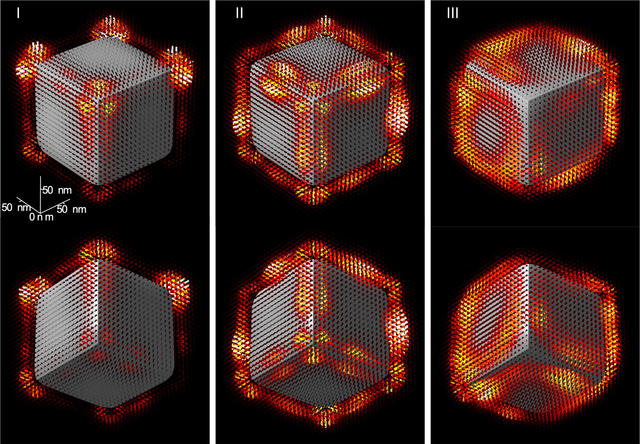
Surface phonon polaritons (SPhPs) are coupled photon-phonon excitations that emerge at the surfaces of nanostructured materials. Although they strongly influence the optical and thermal behavior of nanomaterials, no technique has been able to reveal the complete three-dimensional (3D) vectorial picture of their electromagnetic density of states. Using our monochromated NION-HERMES CHROMATEM, we could visualize varying…
-
Extrinsic doping in group IV hexagonal-diamond-type crystals
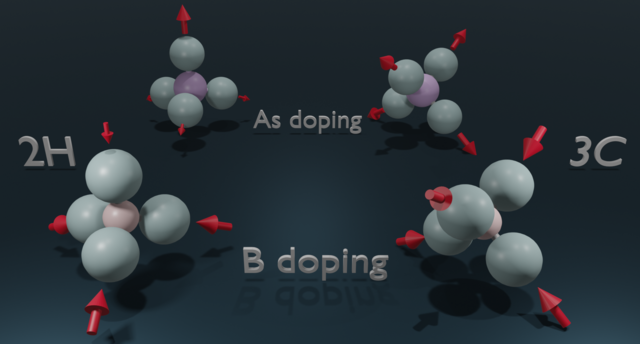
Over the past few years, group IV hexagonal-diamond-type crystals have acquired a lot of attention in semiconductor physics thanks to the appearance of novel and very effective growth methods. However, many questions remain unaddressed on their extrinsic doping capability and on how it compares to those of diamond-like structures. This point is here investigated through…